 1:12:21
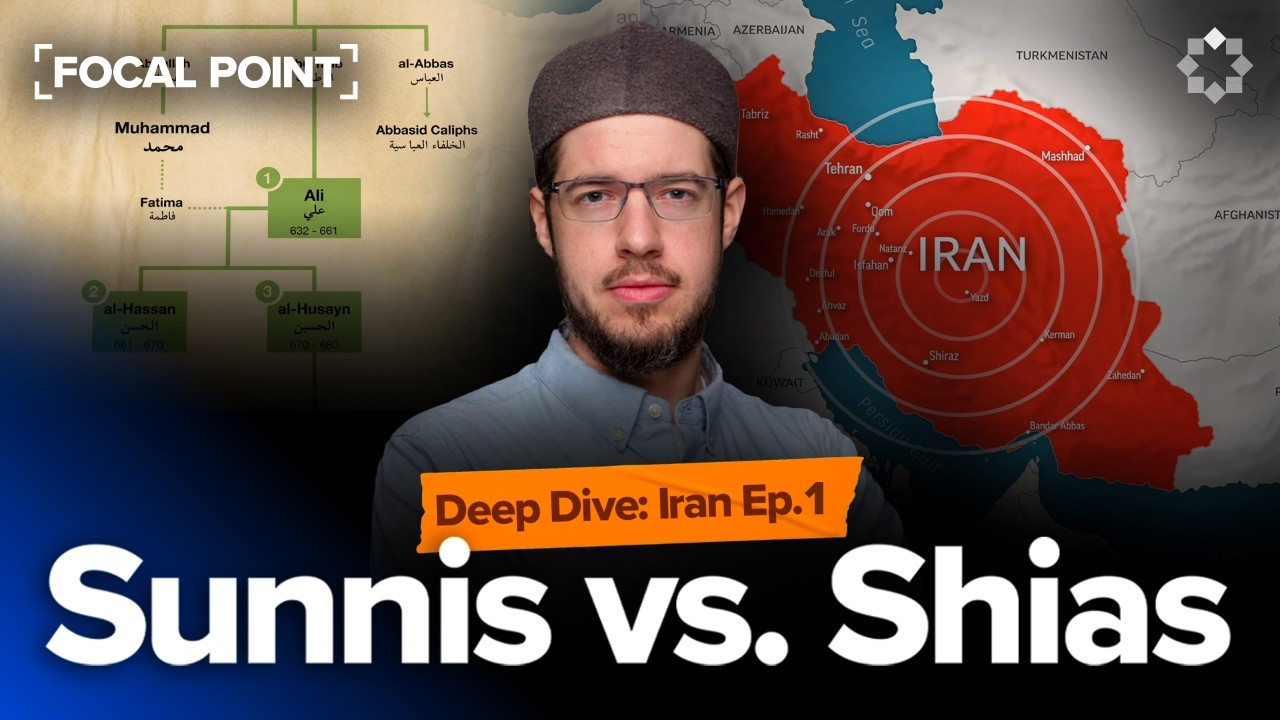
Episode 1The Origins of the Shia-Sunni Divide | Deep Dive: Iran Ep. 1In the first episode of a four-part deep dive on Iran, this lecture traces the origins of the Sunni-Shia divide — from the early disputes over succession after the Prophet's ﷺ death, to the traumatic events of the first civil wars and the martyrdom of al-Husayn at Karbala, through to the development of Twelver Shia doctrine and its fundamental divergences from Sunni Islam. Drawing on primary hadith sources and Sheikh Yusuf al-Qaradawi's later critical scholarship, the lecture addresses how Muslims can hold genuine solidarity with their Shia brothers and sisters while remaining honest about serious theological differences.
Video Audio
 28:00
28:00Episode 2The Real Power Structure of Iran | Deep Dive: Iran Ep. 2In this deep dive into Iran's political structure, the lecturer examines the foundational differences between Sunni and Twelver Shia concepts of political authority, tracing how the doctrine of the hidden imam and Khomeini's theory of *Wilayat al-Faqih* shaped the Iranian republic. Drawing on the political philosophy of Wael Hallaq and Carl Schmitt, the lecture argues that the nation-state model inherently subordinates the Sharia to state power — raising serious questions about how "Islamic" the Islamic Republic of Iran truly is. The episode also explores Shia sectarian history, the tendency of nation-states toward homogenization, and the gap between Iran's constitutionally stated pan-Islamic ideals and its real-world practices.
Video Audio
 1:02:07
Episode 3Iran vs. Saudi Arabia: Who Represents the Ummah? | Deep Dive: Iran Ep. 3In this third episode of the Deep Dive: Iran series, the lecture traces the competing models of pan-Islamic representation offered by Saudi Arabia and Iran across the post-colonial era, examining how each nation's stated commitment to the Ummah was gradually subordinated to Cold War politics, sectarian strategy, and national self-interest. Drawing on detailed historical analysis — from the Non-Aligned Movement and the oil embargo to Iran's devastating role in Iraq and Syria — the speaker argues that Iran is both indispensable and inadequate to Umatic struggle, having stopped forced secularization while simultaneously enabling ethnic cleansing and demographic engineering against Sunni Muslims. The lecture calls on Muslims to hold both nations to honest account and to aspire to an Islamic governance model that promotes justice and flourishing for everyone.
Video Audio
 10:21
10:21Episode 4Should We Show Solidarity with Iran? | Deep Dive: Iran Ep. 4In the final episode of this Deep Dive series on Iran, the speaker examines Iran's geopolitical role from a Sunni Muslim perspective — debunking the claim that Iran is a Western puppet, assessing the real impact of the axis of resistance, and wrestling with the moral complexity of expressing solidarity with a state that has also committed sectarian atrocities. Drawing on historical parallels like Mustafa Kemal and the fall of the caliphate, the lecture encourages Muslims to move beyond identity politics and think critically about how the Ummah can chart a path toward genuine liberation and unity.
Video Audio